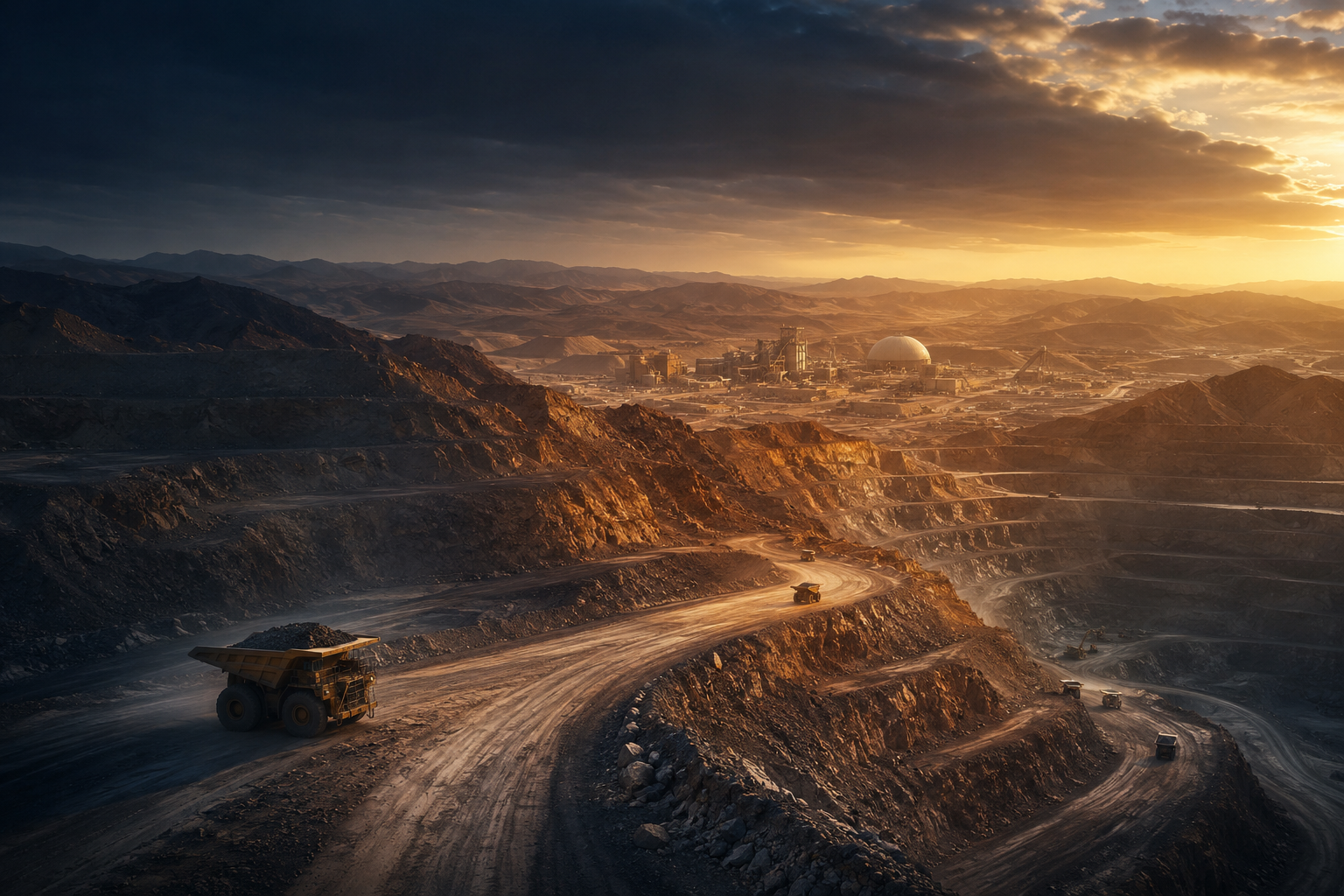
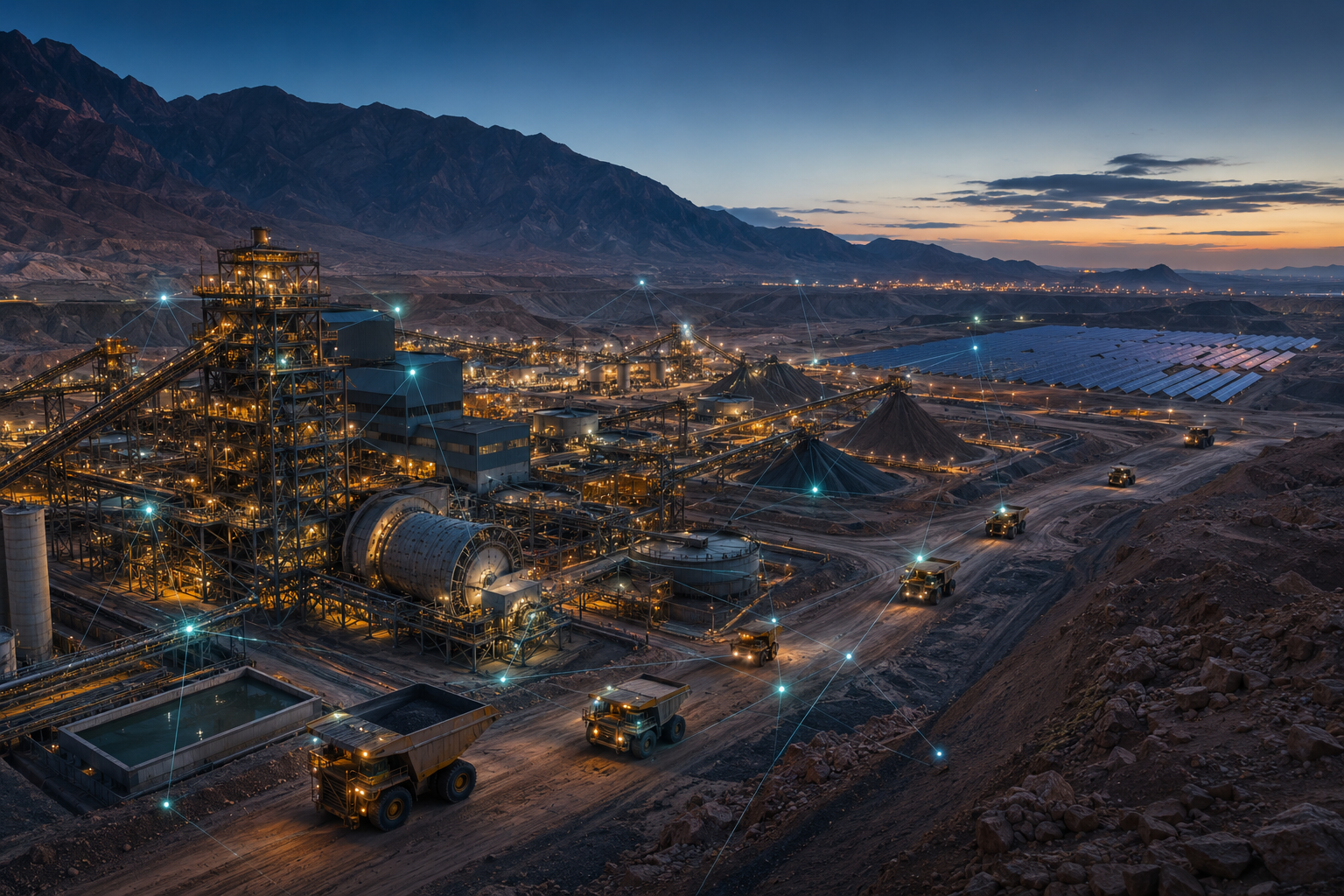
Mining is now the third pillar of Saudi industry alongside oil and
petrochemicals. Phosphate and bauxite at Waad al-Shamal and Al-Baitha,
gold across the Arabian Shield, copper and zinc at Jabal Sayid, and a
fast-growing downstream base in Ras al-Khair and Jubail have created
demand for skills that simply did not exist at scale in the region ten
years ago.
The shortage is specific, not general. There is no
shortage of CVs. There is a shortage of resource geologists who have
signed off a reportable estimate, of drill-and-blast engineers who have
worked a hard-rock bench, of metallurgists who have commissioned a
flotation circuit, and of shift supervisors who can hold a safety
standard through a ramp-up.
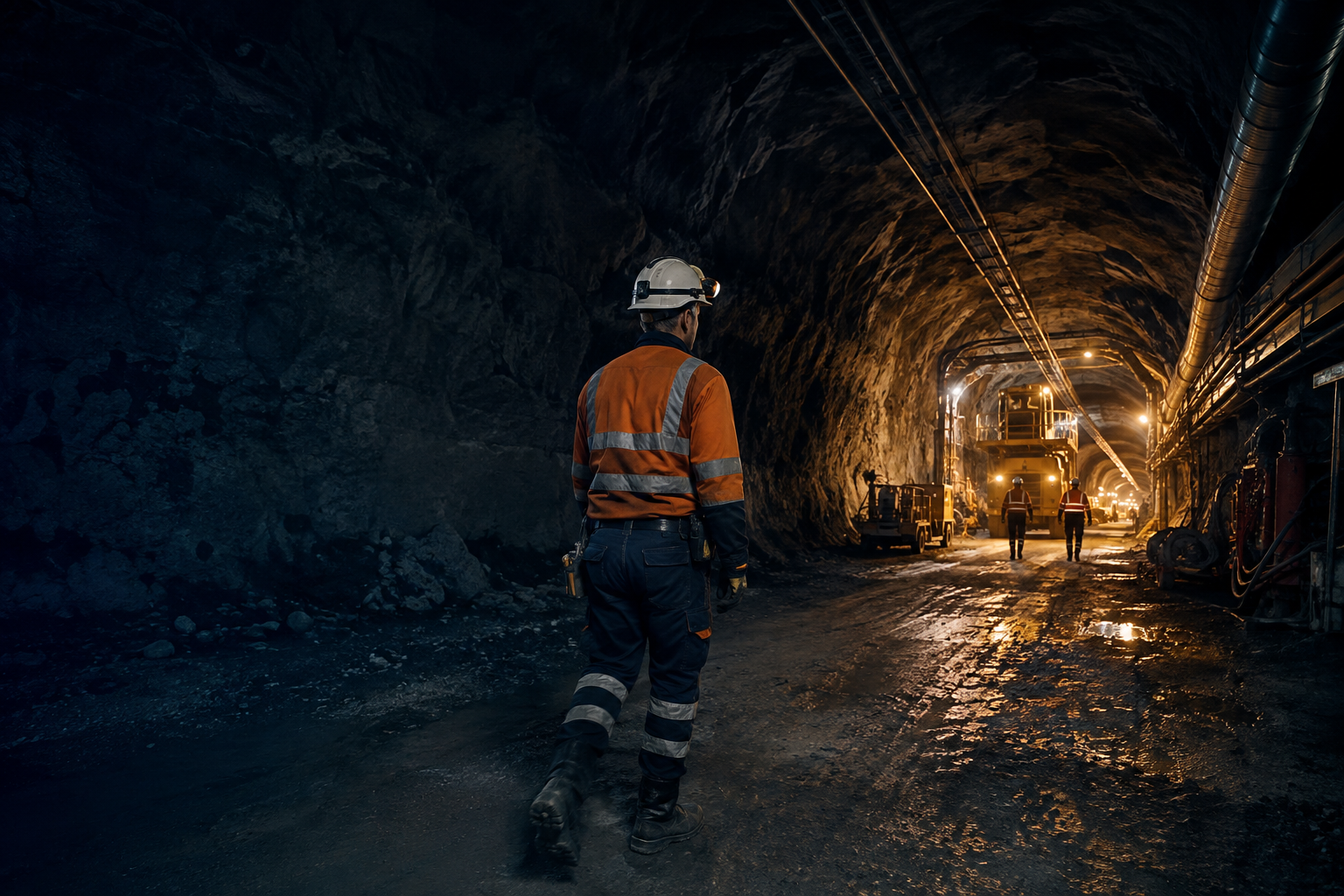
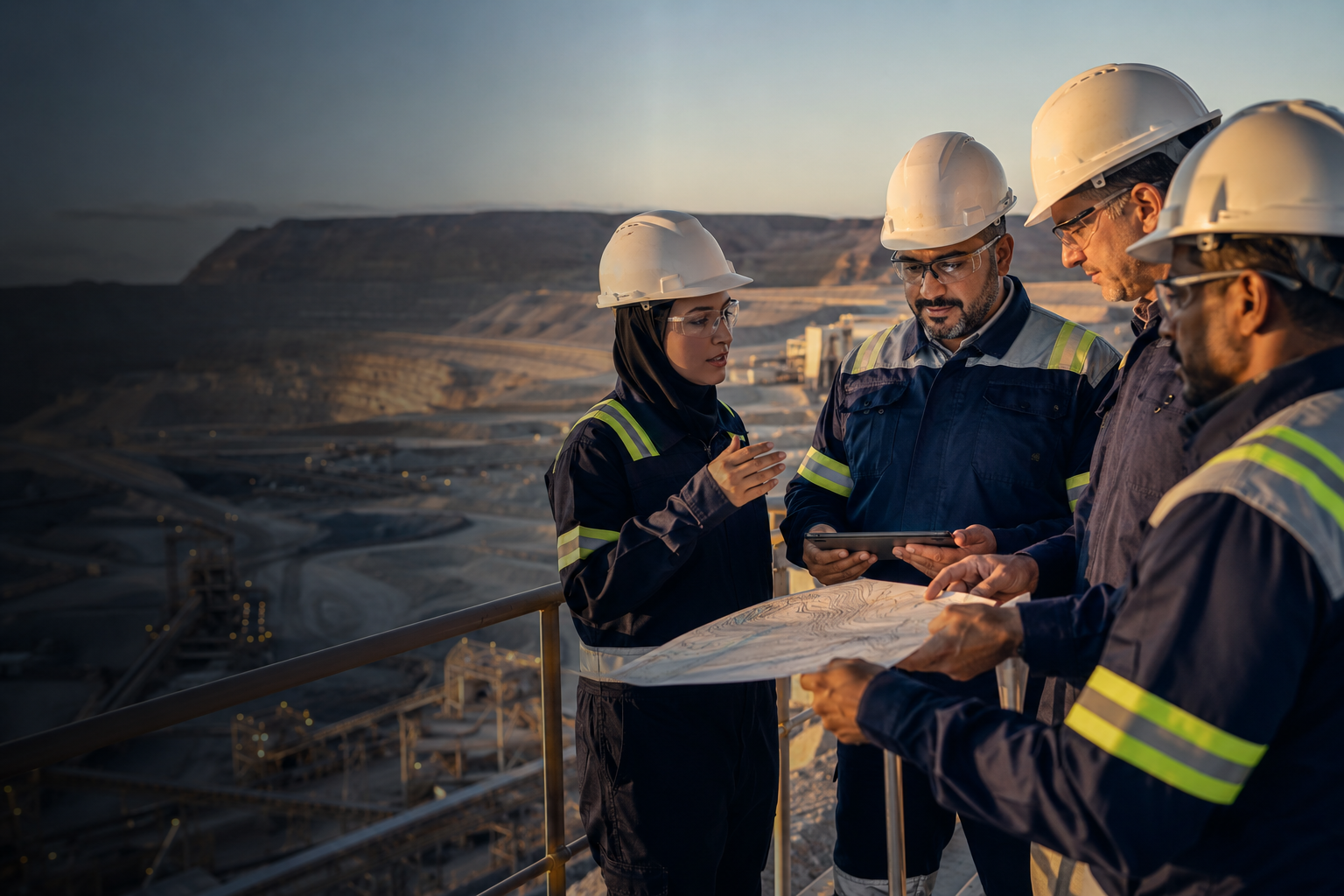
We are built around that gap. Our mining practice recruits against
technical competency and operating environment — not job titles — and we
do it with the nationalisation and local-content obligations of Saudi
projects designed into the plan from the start.
01
Scarce technical depth
Senior technical roles — resource geology, mine planning, metallurgy,
geotechnical — draw from a small global pool that has to be attracted
to the region, not just advertised to.
02
Ramp-up compression
Projects move from first blast to steady-state production faster than a
conventional hiring cycle can fill a roster. Mobilisation has to run in
parallel with construction.
03
Nationalisation with no compromise on capability
Saudization targets and expatriate capability have to be met at the same
time, which makes deliberate knowledge transfer part of the workforce
plan rather than an afterthought.
04
Remote-site retention
Rosters, camp standards and family arrangements decide whether a hire
lasts past their first swing. We screen for site fit as hard as we screen
for skill.